

#11 - (excerpt) The missing ingredient ... a conversation with Patrycja Dołowy about growing up Jewish in Poland
While investigating the buried stories of the dead, I’ve learned these stories find their fullest meaning through the living. Like my experiences with Patrycja Dołowy, my co-conspirator, creative partner, and guide during my time in Poland researching Paulina Hirsch’s testimony. Patrycja is a prolific writer, artist, memory worker, and a member of the small remaining Jewish community in Poland. I have learned more from Patrycja than all the archives and historical texts combined. Now I get to share some of her story with you.
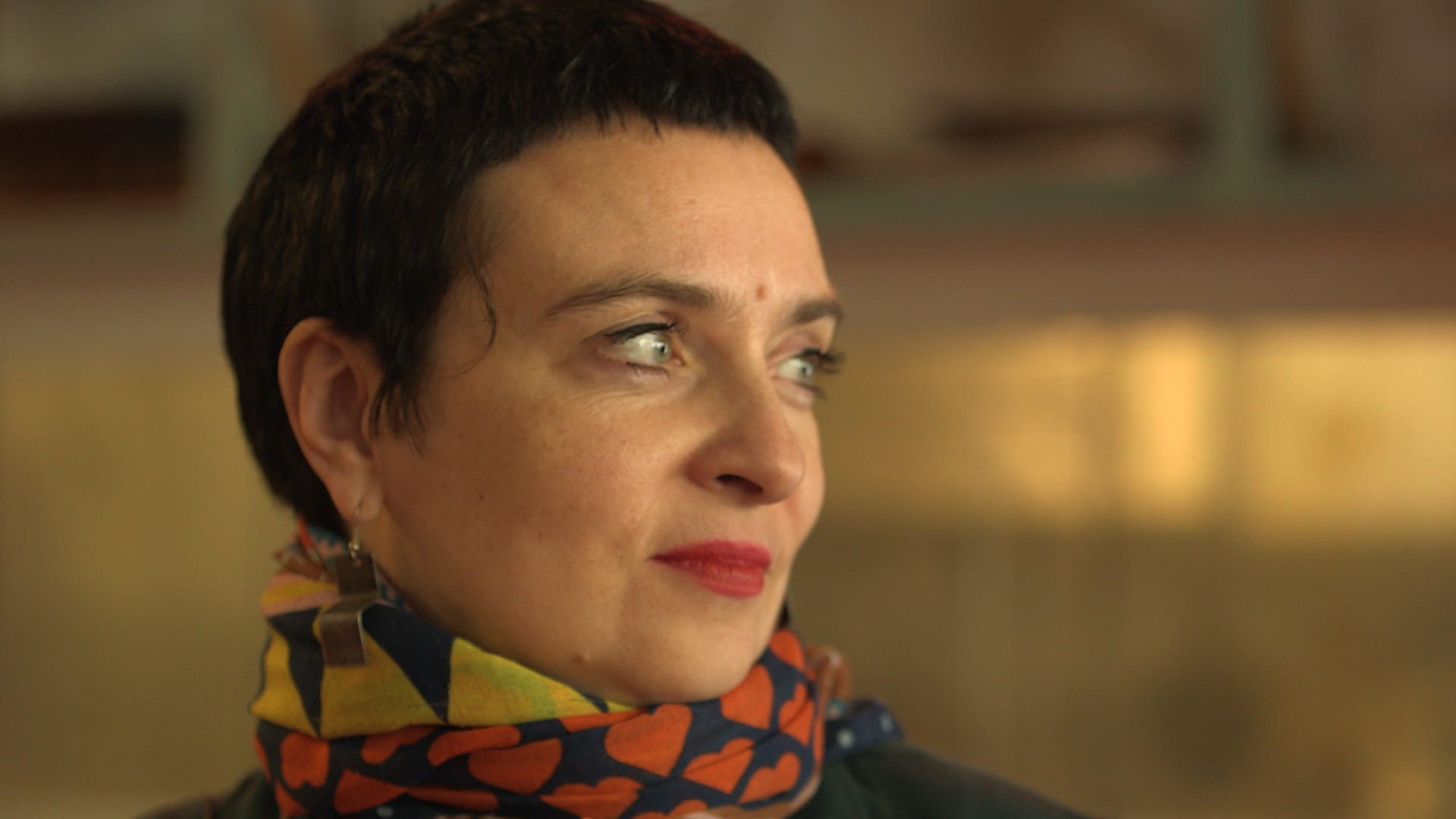
The following is an edited transcript of a conversation with Patrycja back in June, 2025.
ML: We have spent hours sharing stories with each other of our experiences growing up in the US and Poland in the 1980s and 90s. What memories stand out in your mind now about your childhood experience, especially regarding your experience being Jewish in Poland during those years?
PD: It’s interesting, I haven’t thought about those experiences as much in the last two years. Because of the situation in Israel and its global impact, I had to start asking myself what Jewishness means for me now and sometimes this has been a difficult question, but it also has brought me new answers. But when I turn back to my memories of childhood, that was a time when everything that was Jewish was only in an under the skin feeling. It was not something that we talked about.
It was a time of being very, very lonely and not really touching Jewish things. So, although it was also very special that my immediate family had the consciousness that we were Jewish, there was no way to observe it, no traditions, no holidays. We had our family holidays — the official holidays — because it was communist country. But these were, in fact, Christian holidays because traditionally, Poland is a very Catholic country. But during those holidays (Christmas, Easter, etc), my family had some differences — sometimes different customs, and sometimes different dishes.
Paulina Day draws from the stories surrounding the evolving art/life work — Paulina — a quest of historical and imaginative reenactment prompted by a desire to recover a tragically broken matrilineal line.