

#7- Seeing Poland from the tenements of New York: a play.
Dear Reader,
This investigation between Poland and the US, the living and the dead began with a desire to uncover the story of my maternal grandmother’s childhood. This desire led to the re-emergence of a series of documents from the distant past – each, in turn, propelling its message into the present.
One of these documents is a play – written by my 16-year-old grandmother as an immigrant living in the tenements of New York's Lower East Side. The year: 1920.
My grandmother’s new life in New York was filled with hardship. Her mother died1 shortly after they arrived. By the age of 15, my grandmother was working in a factory by day and attending high school at night. But when she would tell me of those first years in New York, her eyes would start to glimmer as she described what kept her spirit alive, what saved her: her participation in the Henry Street Settlement youth program2. She told stories of mock weddings, camp outings, and friendships, but what stood out most was the play she wrote and presented on the playhouse stage.
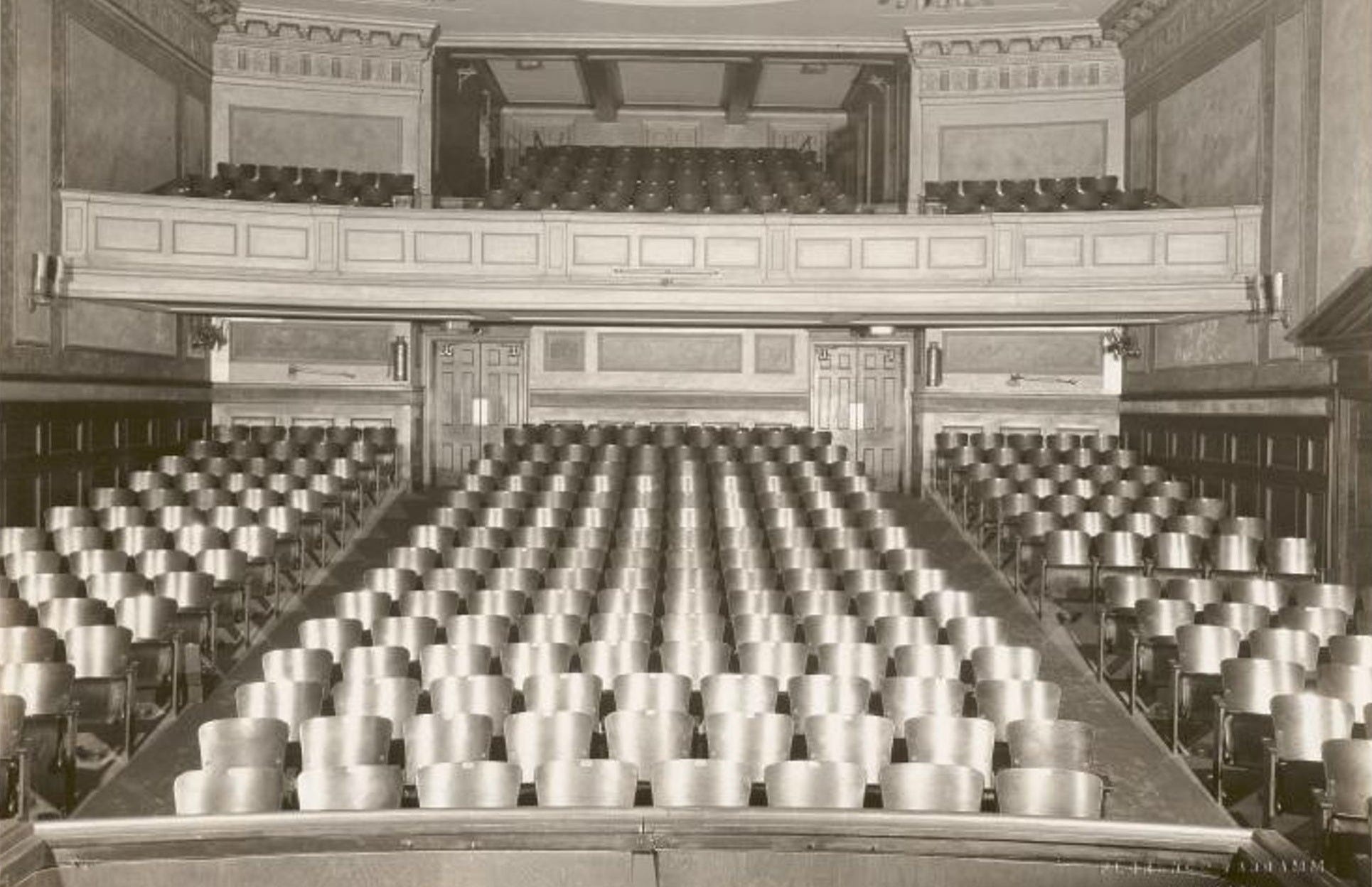
She never told me what the play was about, but the very idea that it happened has been a legend deeply rooted in my psyche since childhood.
It was after I was already submerged in my research into Poland, that I discovered – hidden in the pages of my grandmother’s journal – the actual play…
A story set in Poland, the world she left behind.
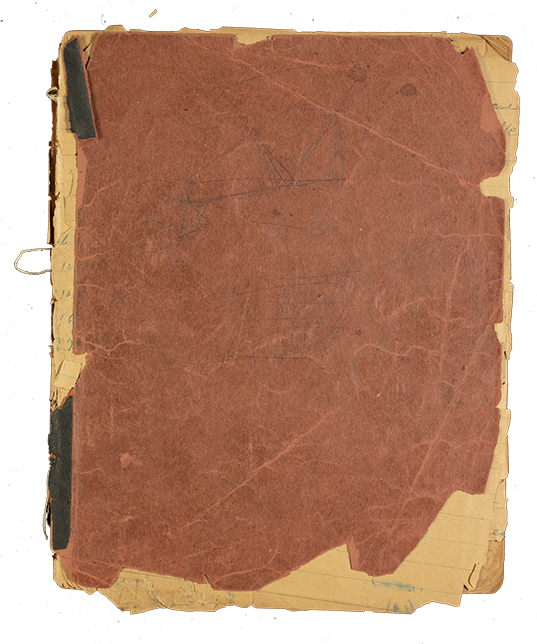
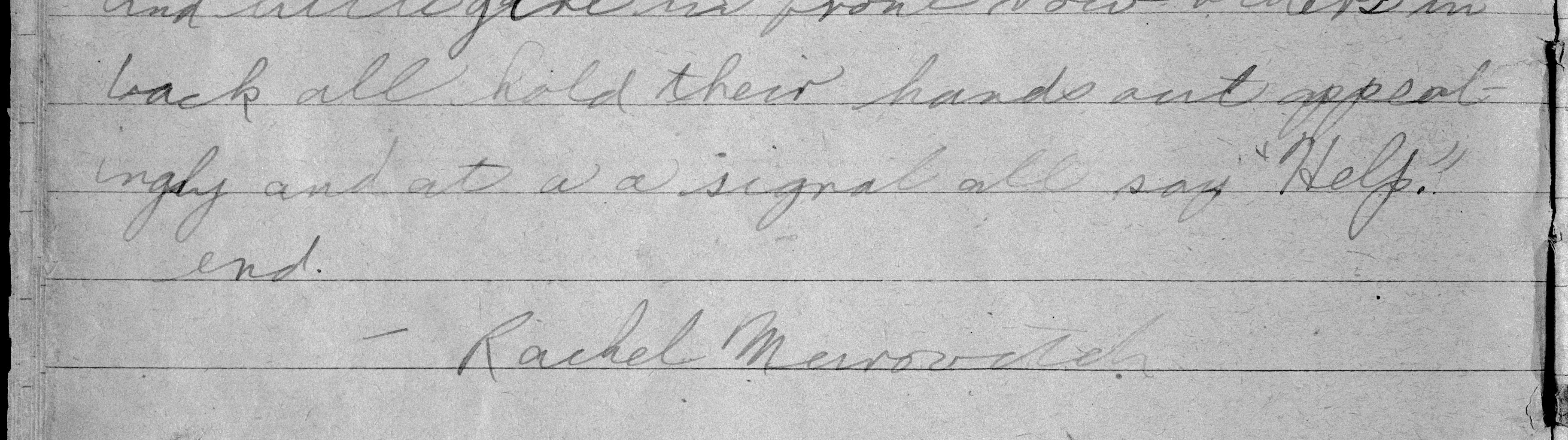
Slipped in between the recountings of her days, her worries and insecurities is a section written in careful script, crossed out and re-written even more neatly. It has a title at the top: "Happenings in Poland: The Suffering of the Jews." At the end, it is signed - Rachel Meirowitch.3
The play is a tragedy: Ruthie, a 16-year-old Jewish girl living in poverty in Poland witnesses the murder of her family by Polish soldiers. At the play's end, the characters stand, raise their hands "appealingly" to the audience, and at a signal all say, "Help."
I was beyond struck —is the research/storytelling I have been obsessively drawn to do in connection to Poland a continuation of what my grandmother started more than a decade before the Holocaust, over 100 years ago?
What connects me to this play now is that, while it depicts my ancestral land—Poland, it manifested from very local roots of origin – the immigrant Jewish community of the Lower East Side, a once bustling historic hub synonymous to me with knishes, pickles, pastrami on rye, exclamatory Yiddish, cutting humor, and impish smiles. I live within walking distance across the bridge in Williamsburg. The same Williamsburg that to my grandmother was the “countryside” where she helped relocate her family.
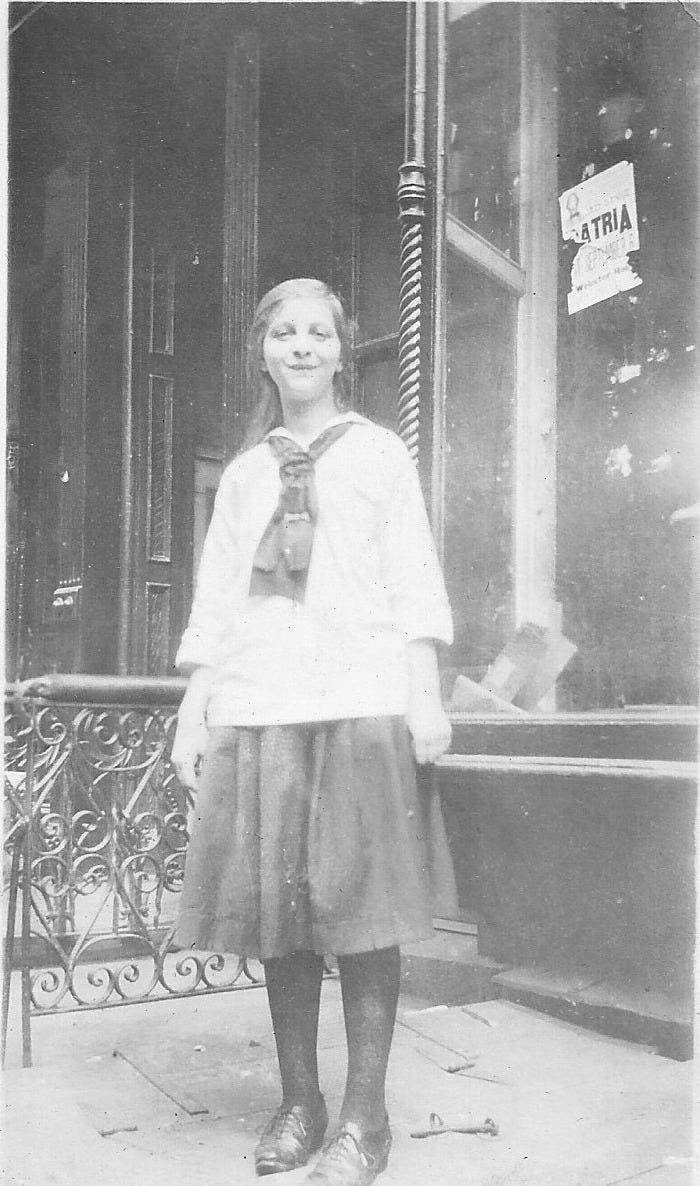
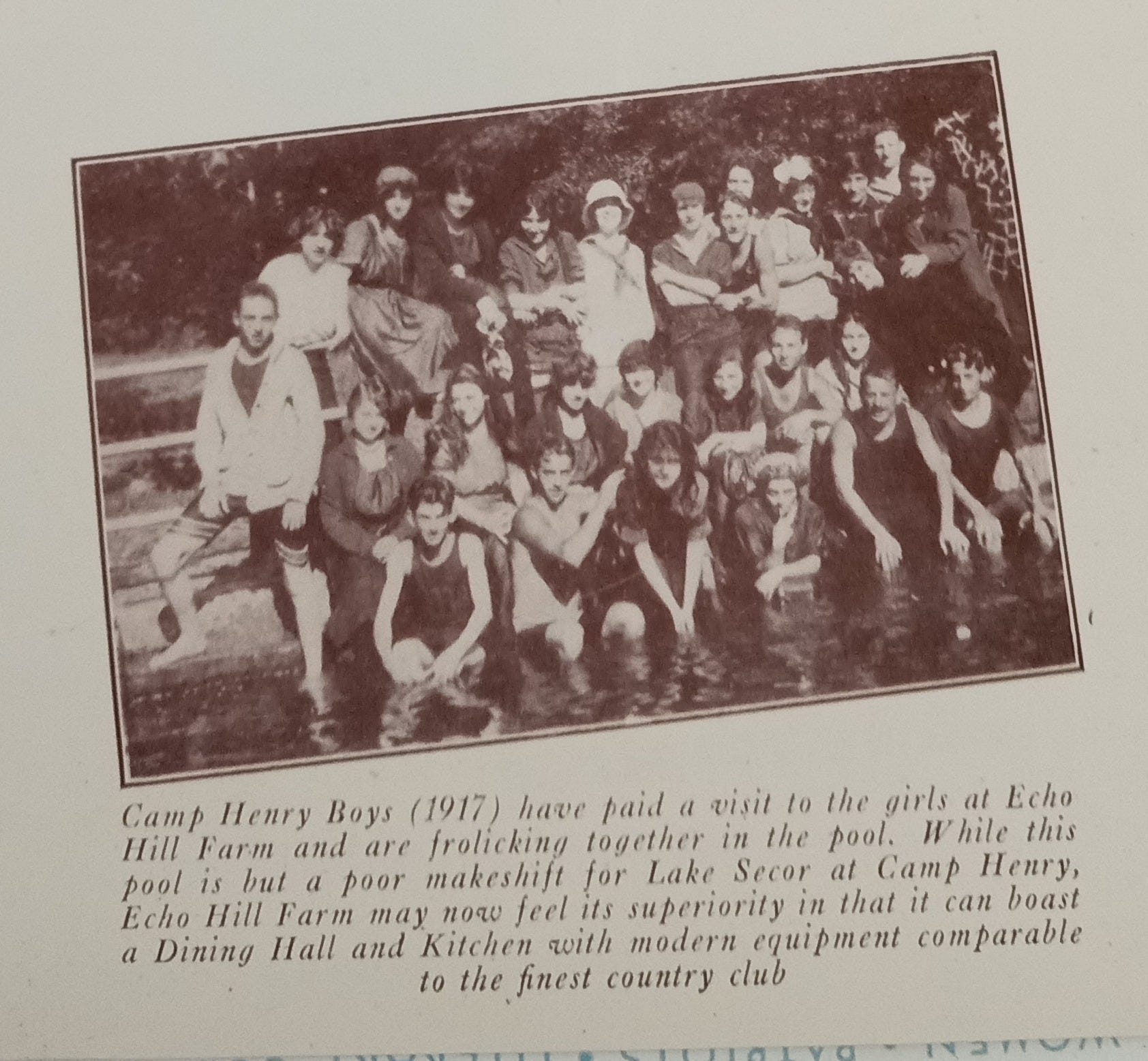
While so much of the Lower East Side neighborhood from my grandmother’s time has been razed and rebuilt, the Henry Street Settlement still exists. Remarkably, a happening (the good kind) is afoot:
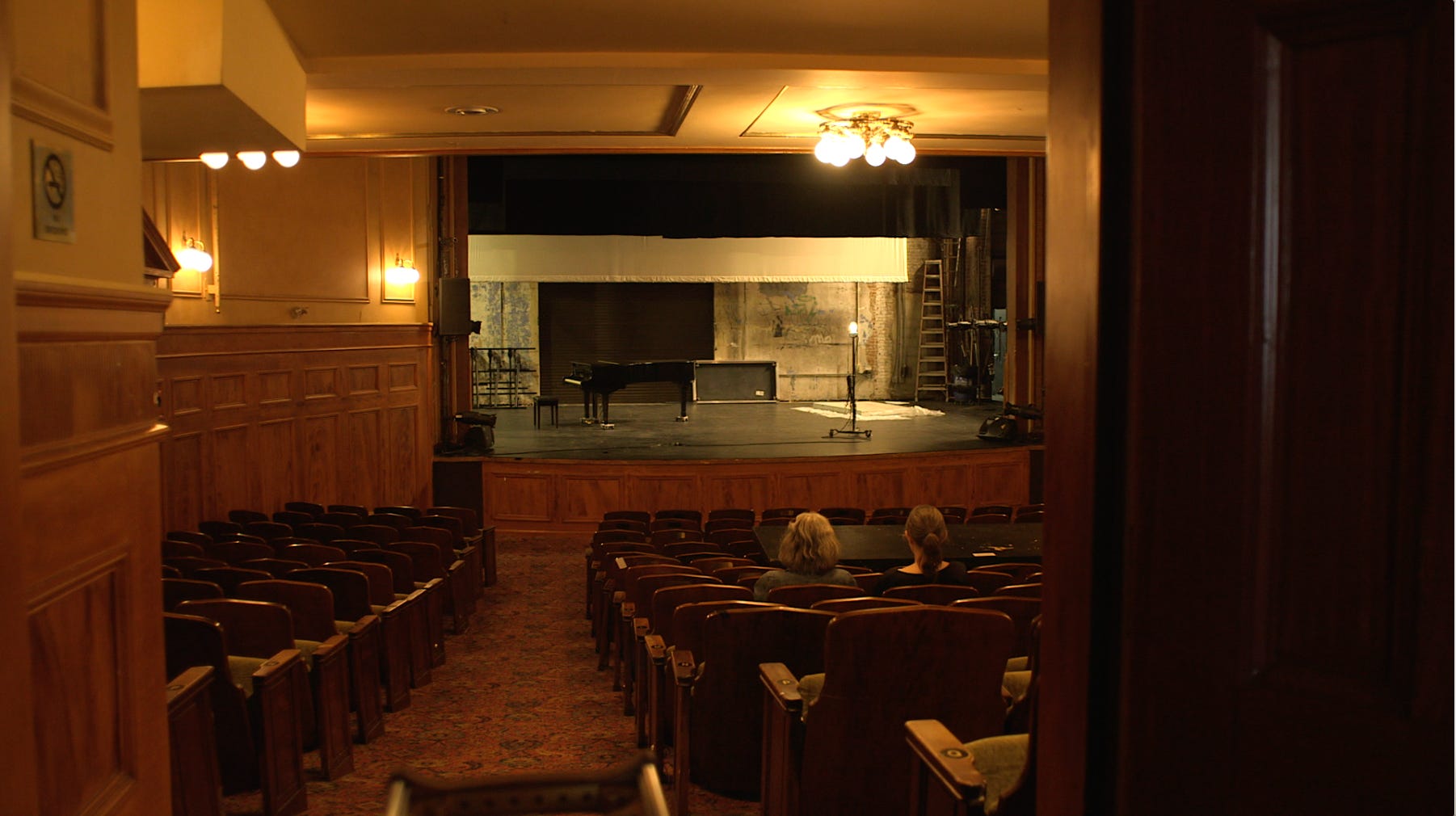
Beyond what I could have imagined for my teenage grandmother who wrote one play and went on to a life of political service — her story is being explored and developed by a group of teen actors/participants in Abrons Art Center’s (the Henry Street Settlement arts program) Urban Youth Theater (UYT). Together, with the Teaching Director, Jonathan Dingle-El, we are exploring the play’s complexities, and the overall question:
What does it mean to restage this 16-year-old’s play now, over a hundred years later, in the location where it originated?
Happenings in Poland: Restaging of a Childhood Play is made possible with support from Asylum Art’s Small Grants Program, the cooperation of Abrons Art Center/ Henry Street Settlement Urban Youth Theater, and the generous vision of UYT’s Teaching Director, Jonathan Dingle-El. Additional thanks to the University of Minnesota Social Welfare History Archives, and a growing list of individuals, too many to list here, (you know who you are!)
Paulina Day draws from the constellation of stories surrounding the ever-evolving PAULINA: a performance and film-in-process centered on a life-changing journey investigating the Holocaust testimony of Paulina Hirsch and its aftermath.
Thank you for reading this reflection inspired by caring for the stories of those who can no longer speak for themselves. This project focuses on the potential of each other’s stories to provide a vision of hope, possibility, and deeper understanding.
See #1 - Who is the “real” Paulina for the story about my great grandmother, Salomea Hirsch, who died due to negligent post-partem medical care, and whose loss was a catalyst for many of the events that followed.
Henry Street Settlement House was founded in 1895 by nurse and social worker Lillian Wald to offer health and community services for the local immigrant community of the Lower East Side. The playhouse was established in 1915
A note: this was an early spelling of my grandmother’s last name, which eventually became Meyrowitz. As an adult, her first name was altered as well, from Rachel to Rae.